Develop Your Child or Student’s Pincer Grasp: Strengthening Activities
The pincer grasp is named after the way crabs and scorpions pick up things in their claws. This grasp is an important motor milestone for infants and is used for countless tasks that help children gain greater independence and life-skills. Here are some activities you can do to help strengthen your child or student’s pincer grasp.
Have you ever watched a child carefully pick up a small bead or a piece of cereal between their thumb and finger? That skillful little motion is called the pincer grasp—and it’s a big step in a child’s fine motor development.
Maybe you’ve heard about the all-important pincer grasp and want to know more, or perhaps, like many others, this term is unfamiliar to you. Before children can hold a pencil, button a shirt, or zip up their jacket, they need to master this foundational fine motor skill.
This small but mighty milestone involves using the thumb and index finger (also known as the pointer/forefinger) to pick up and hold tiny objects—and it’s a big deal in early childhood development, typically starting to develop in babies around 9 to 10 months old.
The best part? You can help children strengthen their pincer grasp through simple, joyful activities to help little fingers grow strong and confident.

Did You Know?
Reading aloud stimulates the development of neural pathways in the brain.
These new neural connections, improve a child’s ability to understand language and process information.

Food for Thought
If stories act like mirrors and windows, how does this change your thoughts about the stories you choose?
Reflect on how these stories can resonate with your little learner’s experiences and offer glimpses into other worlds and perspectives.
Why is the Pincer Grasp Important?
As children continue to practice, strengthen, and refine their pincer grasp, they are really working towards greater independence and accuracy with everyday tasks. We use the pincer grasp for a host of everyday tasks, here are some big ones:
- Self-feeding – picking up small foods like cereal, raisins, or peas and with using utensils/cutlery
- Self-Dressing: buttoning buttons, zipping up zippers, putting on shoes with velcro or laces; adjusting straps and belts
- Writing and drawing – holding and controlling crayons, pencils, markers, and other drawing tools.
- Manipulating small objects – using tweezers, placing puzzle pieces, or building with small blocks.
- Turning pages – grasping and flipping one page at a time in books.
- Hand-eye coordination – precise finger movements for daily tasks and manipulating and playing with smaller objects and toys.


Fine motor skills, such as the pincer grasp, continue to factor in as children grow older. It’s incredibly valuable to ensure your child has many safe opportunities to explore, play, and strengthen their pincer grasp in a variety of ways. These tactile experiences aid your child’s development and learning in crucial ways in these early years.
While bringing the thumb and index finger together may seem simple enough, it’s actually a complex brain process requiring precise strength and control of small muscles in the hand, along with good eye-hand coordination.
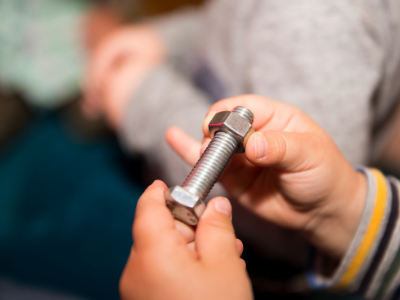
Ways to Help Young Children Develop Their Pincer Grasp
Providing a good variety of activities that expose your child to different textures, shapes, and ways to manipulate objects is great for helping your child work on their pincer grasp. The more exposure and variety your child has with different types of age-appropriate tools and toys, the more their brain gives attention to the sensory receptors within their hands and fingers, strengthening this brain-hand connection.

New or novel tactile experiences are especially great at bringing attention and awareness to children’s hands and fingers. These include exposing children to different types of contrasts such as hot and cold, rough and smooth, wet and dry, soft and hard, and gooey/mushy and firm.
Variety helps encourage different types of movements to help build thumb opposition, thumb and finger flexion and extension, finger isolation movements, and overall hand and finger manipulation.
Our Top Pincer Grasp Strengthening Activities

Playdough Creations
& Using Reusable Playdough Mats

Berry Picking Family Excursions

Animal Rescues – using Tape, String or Elastics

Busy Books, Boards, Kits, or Binders

Lacing Activities -like Noodle or Pipe Cleaner Lacing, Beaded Necklaces, and Lacing Toys and Cards

Playing with Puzzles and Games

Lightbox & Shadow Activities

Colour Experimentation using Eye Droppers & Syringes

Sensory Bins and Small World Play
Nurturing Little Minds, Sparking Big Dreams



I’m happy you’re here!
Hi, I’m Julie, the passionate creator of Ox & Owl Literacy. I enjoy empowering families and educators with wonderful resources to inspire fun, imaginative, and joyful learning opportunities for young kiddos. You’ll find lots of recommended books, reading resources, and creative learning activities on this site aiming to help children fall in love with language, books, reading, and the transformational power of stories.